Exploring the Future of Truffle Cultivation
Innovating Truffle Agroforestry for a Sustainable Mediterranean
Discover how the TAIE project is revolutionizing truffle and desert truffle cultivation through innovative agroforestry practices and smart agriculture solutions.
Project Overview
Funding Source
The TAIE project is supported by the PRIMA programme, focusing on Mediterranean agricultural innovation.
Project Duration
The project spans over three years, aiming for long-term sustainable impact.
Participating Countries
Italy, Spain, and Türkiye collaborate to enhance truffle cultivation practices.
Challenges in Truffle Cultivation
Overcoming Mediterranean Truffle Cultivation Hurdles
Mediterranean truffle cultivation is increasingly challenged by climate change, which alters rainfall patterns and temperature, affecting truffle growth cycles.
Soil degradation, due to intensive agriculture and erosion, reduces the fertility and structure necessary for optimal truffle production.
Water scarcity, exacerbated by prolonged droughts, limits the availability of essential moisture, crucial for truffle development and yield.
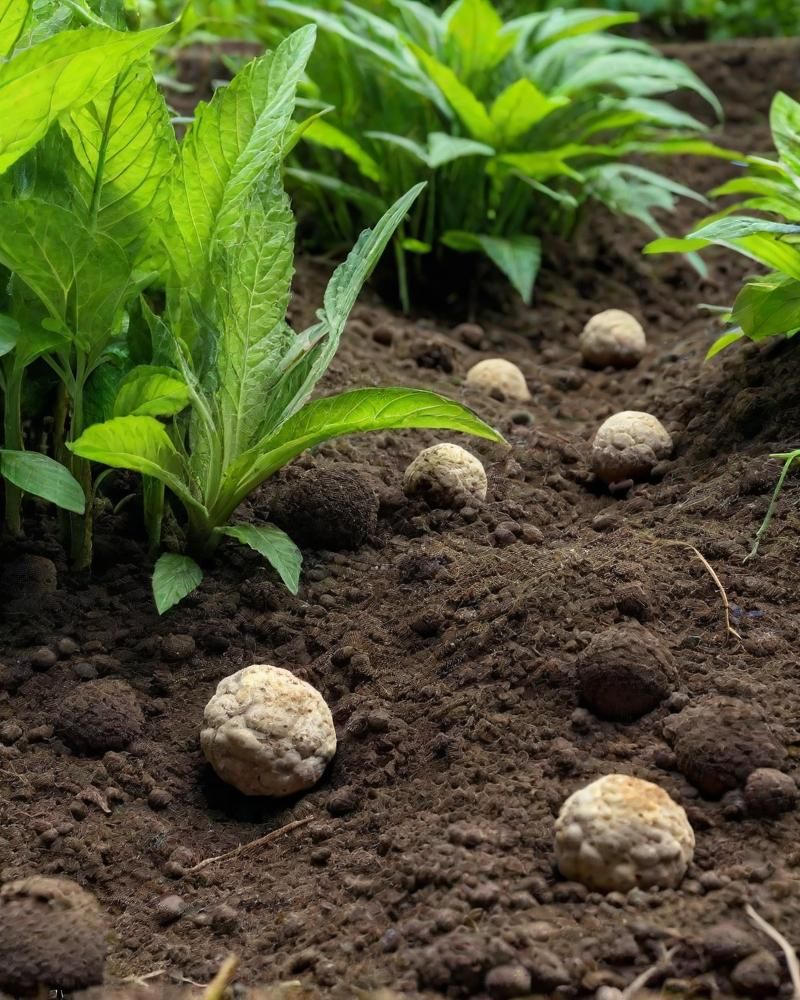
Innovative Solutions
TAIE is pioneering new methods to tackle the challenges in Mediterranean truffle cultivation, ensuring sustainable and efficient practices.
Agroforestry Practices
We are developing tailored agroforestry techniques that enhance truffle growth while maintaining ecological balance.
Smart Agriculture
Our project integrates cutting-edge monitoring systems to optimize resource use and boost resilience against environmental stressors.
Value Chain Analysis
By examining existing value chains, we identify barriers and create strategies to improve market access and scalability.
Stakeholder Empowerment
Through comprehensive training and digital tools, we empower farmers and stakeholders, promoting inclusive and sustainable practices.
Expected Impact
Transforming Truffle Cultivation
The TAIE project is set to revolutionize truffle cultivation by enhancing environmental sustainability across Mediterranean agroforestry systems. Our initiatives aim to reduce ecological footprints while promoting biodiversity.
Economically, TAIE supports farmers and value-chain actors by improving profitability and market access. Knowledge transfer and innovation uptake are central to our mission, fostering stronger regional cooperation in sustainable food systems.